Why Easy Plate Meals exists
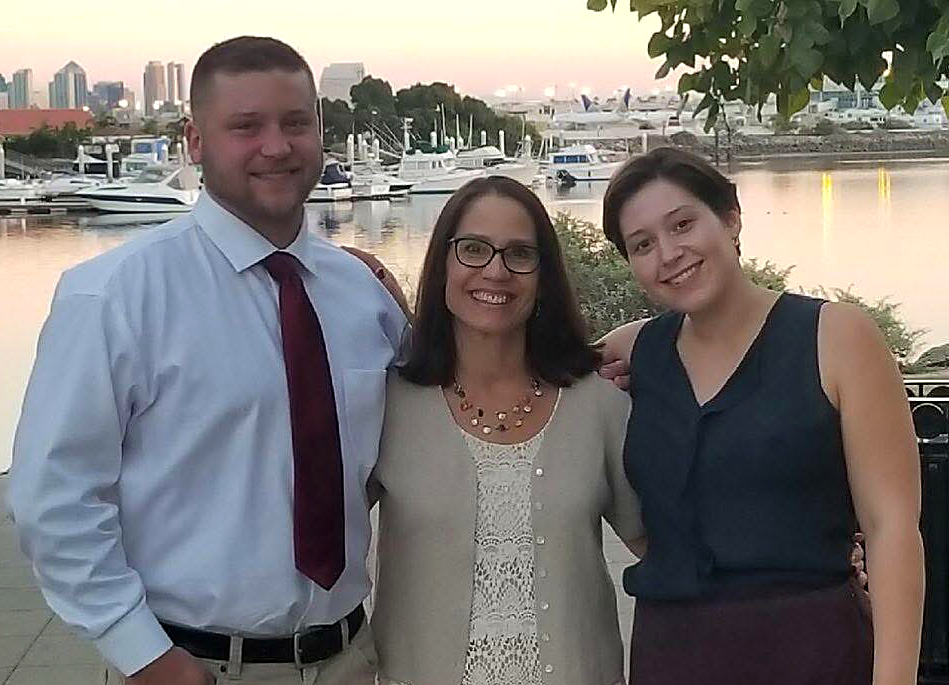
No team. No funding. Just a problem I actually lived with - so I built this app on my own.
Growing up with a single mother, she made sure my sister and I always had food on the table and a roof over our heads - even when that meant real sacrifices for her we didn't find out about until years later. She never let us fall back on cheap, frozen meals either - she wanted us to genuinely thrive, not just get by, and she made that happen with whatever she had. Feeding us mattered more to her than her own comfort, and at the time, we never even knew the difference.
Later on, I served in the Marine Corps - a different chapter, but one that shaped how I think about solving problems just as much as the earlier one did.
There was a hard stretch in my own adult life where money was tight enough that every dollar mattered, and watching food quietly spoil in the back of the fridge - food I'd already paid for - stung in a way that's hard to explain unless you've been there. Eating healthy is expensive enough already without also throwing part of the grocery bill in the trash every week. And I know I'm not the only one - plenty of people are on a fixed income for the long haul, not just a rough patch, and end up living on cheap frozen dinners not because they want to, but because that's what actually fits the budget when fresh food and the time to cook it both feel out of reach. When you track what you have, you typically cut food waste by a meaningful amount - often $40 to $60 back in your pocket a month, just from not buying things you already own and using what's already there before it goes bad. And this app isn't a one trick pony either - it doesn't just track your pantry, it helps you plan the week, build the shopping list, and cook something real from what you have. If you've ever done the math on a receipt and felt sick about it, I understand that feeling directly.
I have ADHD. For me, that means the standard advice - "just make a meal plan," "just track your pantry" - never actually stuck. It wasn't a lack of trying. Sitting down to plan a week of meals, remembering what's already in the fridge, deciding what to cook before something goes bad - that's a lot of small decisions in a row, and small decisions in a row are exactly what my brain has always struggled to push through. So groceries piled up and spoiled, week after week, not from carelessness but from decision fatigue that most planning tools were never built to account for.
That path taught me to build things a different way, too: fewer decisions, not more. A "Surprise Me" button instead of another blank form. Defaults you can set once instead of choosing the same filters every single time. A pantry that tells you honestly what's about to go bad, instead of a spreadsheet you have to remember to check. And meals that don't demand an hour in the kitchen just to eat.
None of that is a gimmick. It's the honest reason this app is built the way it is - because I needed it to exist this way myself, long before anyone else did.
That's also why this is built to be genuinely affordable, not just to look like it is - because if this app only helped people who could already afford to eat well, it would have completely missed the point.
If any part of this sounds like your own kitchen, or your own bank account, I built this for you.
Thank you, Mom.
Questions? Contact us at easyplatemeals@zohomail.com